Diagnostics & Troubleshooting
Find the root cause—then fix it the right way.
When comfort drops or energy bills spike, we use building-science diagnostics to pinpoint what’s happening in your HVAC system and your home—so recommendations are clear, code-aware, and measurable.
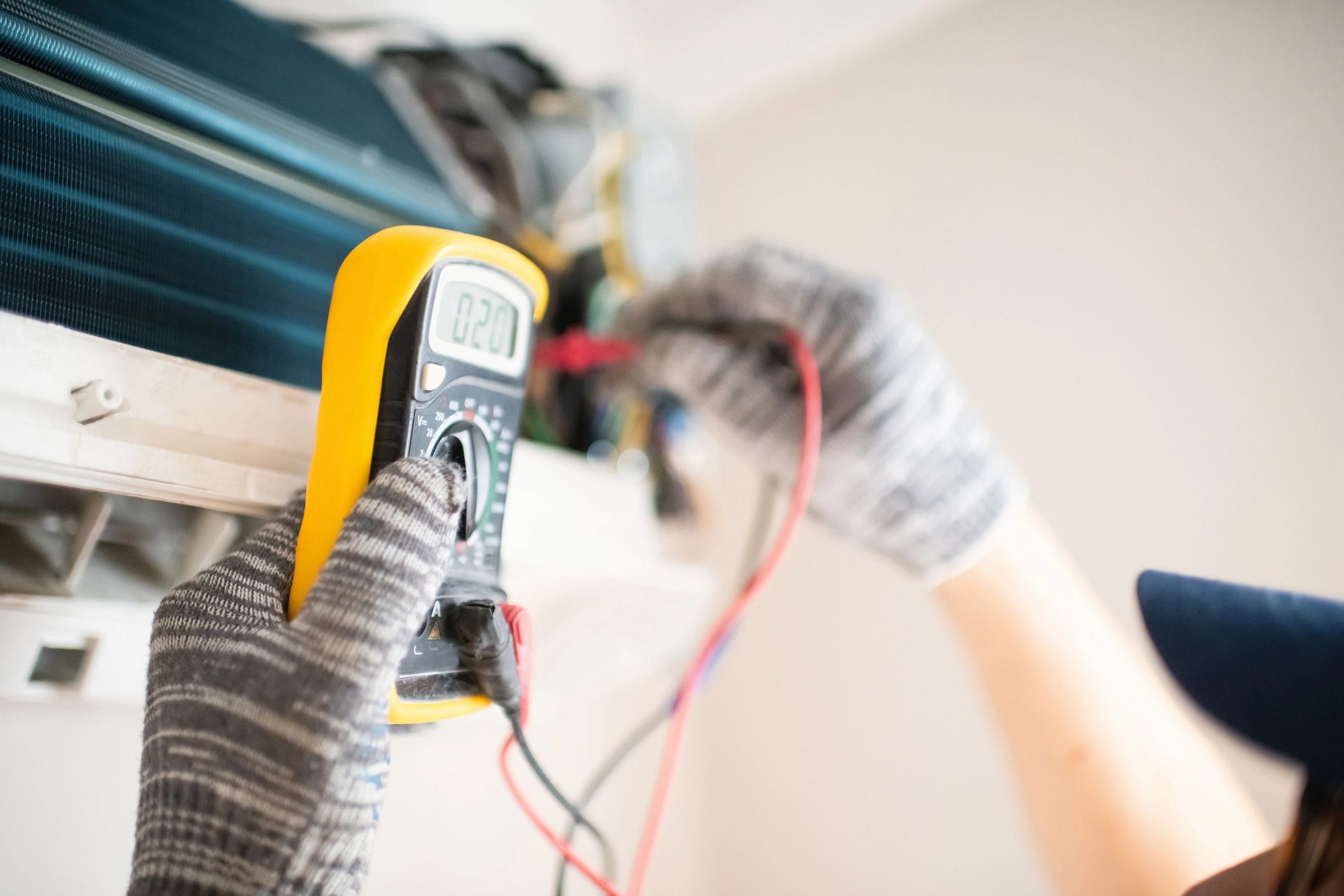
What we troubleshoot
Diagnostics that go beyond “it’s low on refrigerant.”
We combine field testing, equipment data, and home-performance context to identify the real failure mode—then outline practical next steps.
No cooling / no heating
We verify airflow, refrigerant performance, electrical controls, and safety limits to isolate the cause and prevent repeat failures.
Uneven temperatures & comfort complaints
Room-to-room imbalance often points to duct issues, static pressure, zoning problems, or load mismatch—not just the thermostat.
High energy use & short cycling
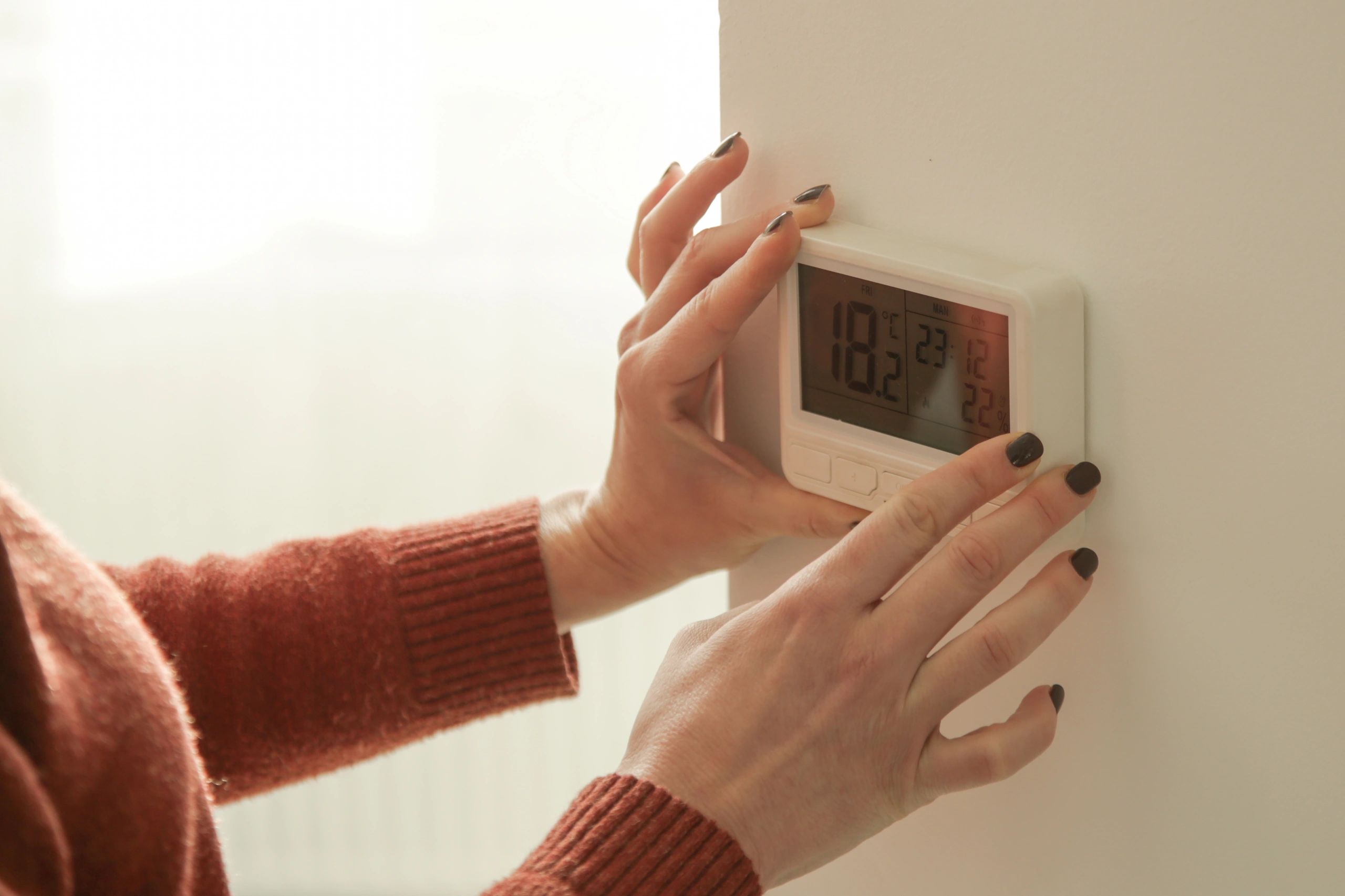
We check sizing, runtime behavior, thermostat setup, and system controls to reduce cycling and improve efficiency.
Airflow, noise, and indoor air quality concerns
From restrictive filters to duct leakage and return air problems, we diagnose airflow pathways that impact comfort, sound, and IAQ.
Our diagnostic process
A structured approach that prioritizes safety, data, and clear documentation.
We start with symptoms and system history, then test what matters: electrical, airflow, and refrigeration performance. When needed, we expand into duct and envelope factors that affect load and comfort. You’ll receive a concise summary of findings and recommended options—so you can make an informed decision.
What you get
Clear answers, not guesswork
Diagnostics should reduce uncertainty. We focus on measurable results and transparent recommendations.
Test-based findings
We use objective measurements (airflow, temperature split, static pressure, electrical checks) to support conclusions.
Options with tradeoffs
When there’s more than one path forward, we outline cost/benefit and risk so you can choose confidently.
California standards awareness
We keep Title 24 and best-practice installation principles in mind when recommending repairs or upgrades.